
Good marks on a report card alone are not enough to show true academic success. The true magic occurs when children are able to thoroughly understand a subject, confidently express their own thoughts, and collaborate effectively with others. Communication in education today plays an essential role in learning because it allows students to participate, communicate, and contribute during classes rather than just listen. Parents are also observing this development. This devotion method has been incorporated into the daily routine at a well-known CBSE school in Nagpur to enable children to not only achieve exceptional exam results but also develop the confidence necessary for everyday
How Communication Shapes Learning in CBSE Classrooms?
Effective communication skills are built through clear speaking, attentive listening, careful reading, and good writing. A child’s understanding of difficult content and capacity to express original thoughts naturally improve when they can perform all four. However, mastering these specific CBSE student skills requires ongoing practice across a range of subjects, so it’s not a simple process. By incorporating collaborative projects and classroom interactions into daily learning, a Best School in Nagpur helps students build these abilities naturally.
How Good Communication Supports Learning in the Classroom?
When students actively participate in class discussions and boldly ask questions instead of simply listening, learning in the classroom undoubtedly improves. By establishing these strong classroom communication skills, a child can actually engage with a subject rather than just memorising facts. The educational environment has a big impact on this growth. This is achieved by teachers at a forward-thinking school in Nagpur by keeping things informal. When open communication is encouraged, students feel more comfortable discussing challenges and asking questions to improve their understanding.
Communication’s Role in Academic Concept Understanding
When students can explore challenging subjects and get prompt answers to their enquiries, lessons become easier to understand. Open communication allows for a simple description of concepts and encourages students to share their knowledge and ask questions. Students get greater understanding of academic subjects and are better able to remember information when they actively participate in the learning process rather than just listening to it.
How Strong Listening Skills Support Better Learning Outcomes?
A key component of academic achievement is having good listening abilities. Children who pay close attention are more likely to understand lessons, accurately follow directions, and retain important knowledge. Understanding what others are saying is just as important to effective communication in education as expressing one’s own thoughts. In order to participate in class more successfully and understand concepts more thoroughly, students are urged to cultivate active listening skills.
The Connection Between Communication and Language Development
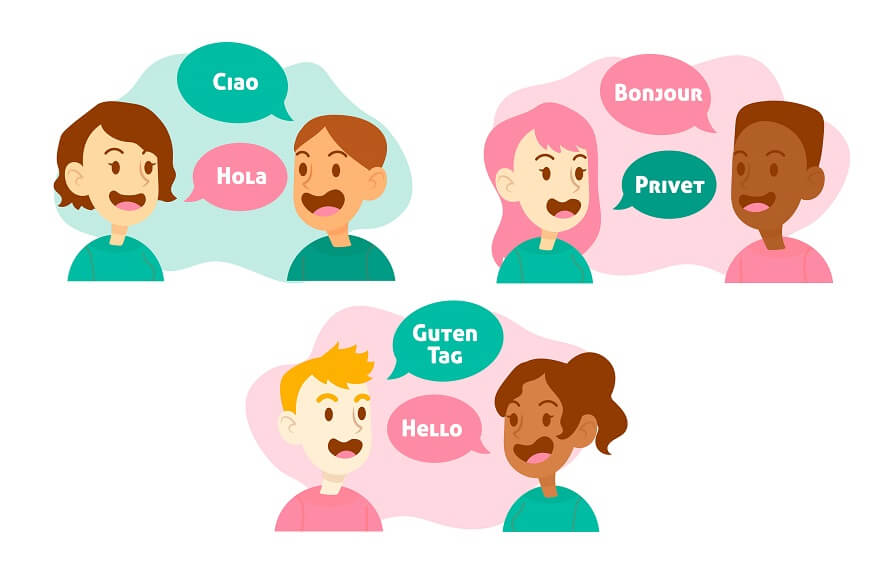
Speaking and listening to others is the fastest way for kids to increase their vocabulary and get better at creating sentences. Frequent class debates and quick presentations provide them the practice they need to speak without freezing. CBSE student skills are necessary for helping students develop self-confidence and trust when learning a language. Enjoyable activities like storytelling, conversations, and creative writing are included into the learning process to enable young children to utilise language with ease on a daily basis.
The Importance of Asking Questions for Academic Growth
Questions help students understand concepts more deeply and develop the habit of thinking independently. One effective way to address how to improve communication skills for students is by motivating children to ask questions during lessons. It gives learners the opportunity to explore ideas, clarify doubts, and become more engaged in their learning.
Communication’s Significance in Class Discussions and Team Education
Teamwork is a common practice in today’s classrooms since children learn a lot when they work together. Through group projects, students are driven to value different points of view, communicate their own ideas, and cooperate to accomplish a goal. In this case, effective classroom communication skills are needed. Students are expected to share their observations, explain their understanding, and take part in discussions.
Public Speaking and Presentations: The Significance of Communication Skills
Presentations give students an opportunity to arrange their thoughts and communicate their ideas clearly. Developing effective communication for students also helps them feel more confident when speaking in front of others. As they practise regularly, they become better at expressing information in a clear, organised, and confident manner.
The Role of Communication in Project-Based and Experiential Learning
Children can apply what they learn in books to real-world situations through practical projects. It takes a lot of discussion and sharing to do this properly, particularly during practical science activities where students have to clearly describe their experiments, discuss the results, and draw conclusions. It ensures that children discuss their work with one another rather than simply sitting in the classroom.
How Can Good Communication Improve Students’ Performance in Exams?
Even if a student knows all the answers, they will not receive any marks if the examiner is unable to read their work. Exams are mostly focused on clarity, and students who put their thoughts effectively routinely receive higher scores. Because of this, developing students’ communication skills is just as important as learning the subject matter. A Best School in Nagpur uses speaking exercises and group learning activities that improve students’ ability to communicate and learn.
How CBSE Schools Encourage Communication Through Academic Activities?
Children learn how to speak clearly by doing, not by reading about it in a book. Students develop important skills more naturally when they regularly take part in discussions, presentations, and group activities. Communication in education truly sticks with a child for life because of this practical approach. A child who has spent years using the classroom as their own stage will no longer be afraid of a crowded room by the time they complete their education from a reputable school in Nagpur.
How Communication Skills Influence Academic Success?
A student’s way of speaking, writing, and listening shapes their overall classroom experience. When a child can articulate their thoughts clearly, they don’t just finish assignments faster—they actually question what they read, solve problems as a team, and grasp tough concepts on the first try. It changes how they learn. Recognizing this, a premier CBSE School in Katol Road works hard to bake these habits straight into daily lessons, treating talking and listening not just as extra soft skills, but as the absolute foundation for getting better grades. If you want to discover practical ways to build these habits at home, visit the Centre Point Schools blog to know more about improving communication abilities.
FAQs
1. What makes effective communication important for academic achievement?
Students with strong communication skills are better able to understand ideas, engage in class, and do better academically.
2. How do communication abilities enhance learning in the classroom?
They facilitate better questioning, idea sharing, and course understanding.
3. How can pupils get better at communicating?
Reading, debates, presentations, and consistent practice can all help students get better.
4. How is communication development supported at a CBSE School on Katol Road?
Through discussions, presentations, and interactive activities that help students communicate with confidence.
5. How does communication contribute to academic development?
Students who communicate well learn more effectively, work well with others, and perform better academically.
Conclusion: Communication is the foundation of student achievement.
In CBSE schools, effective communication for students is essential for academic success. They help children understand concepts, engage in active learning, work together with other students, and perform confidently on assessments. In addition, children who have good communication skills are better prepared to take on problems in the classroom in the future. Through engaging learning opportunities, supportive teaching methods, and a concentration on practical science instruction, a reputed CBSE school in Nagpur could support students in developing the communication skills required for long-term success in education and beyond.
At Centre Point School, a respectable CBSE school in Katol Road, learning is shaped by active engagement rather than rote memorisation. Discussion, inquiry, and self-explanatory explanation are used to help students grasp the material. This approach naturally improves learning in the classroom because it teaches students how to listen closely and articulate their thoughts clearly. By consistently concentrating on improving students’ communication skills, the academic environment develops clarity, confidence, and increased topic understanding throughout all grades. Such interaction-based learning also helps students connect ideas across subjects and perform better in assessments through structured thinking. To experience this learning approach, Contact for CBSE Admission at Centre Point School today.